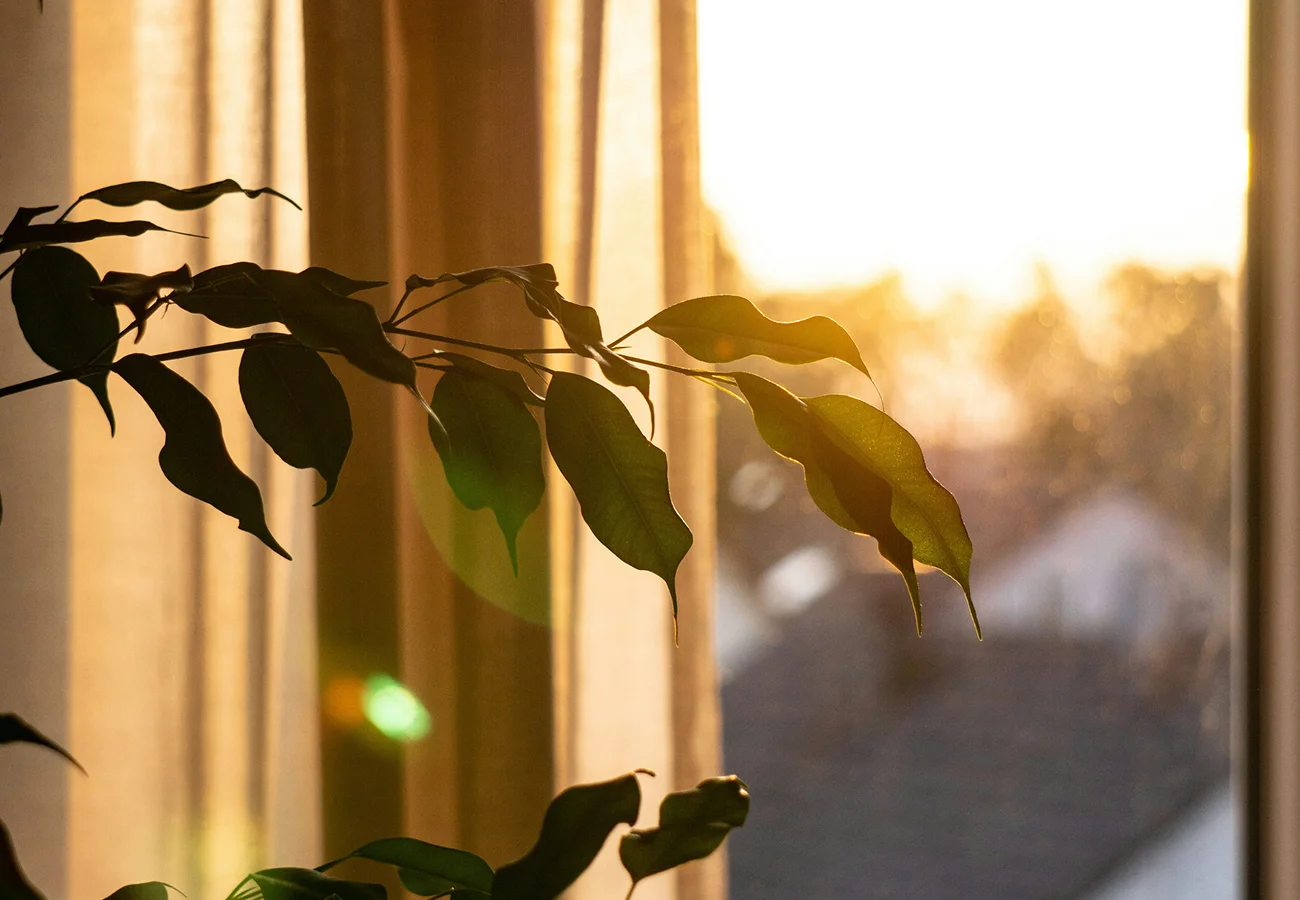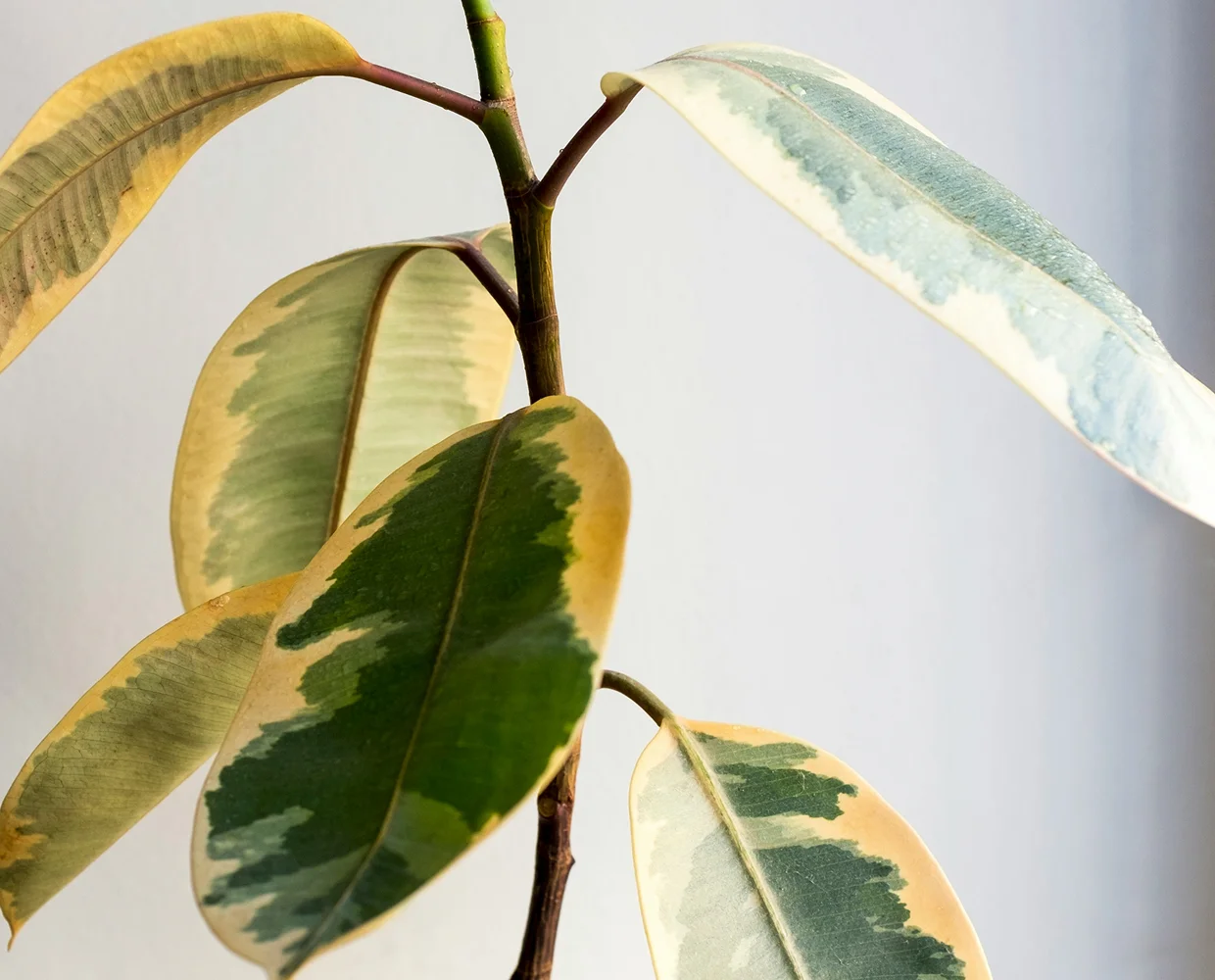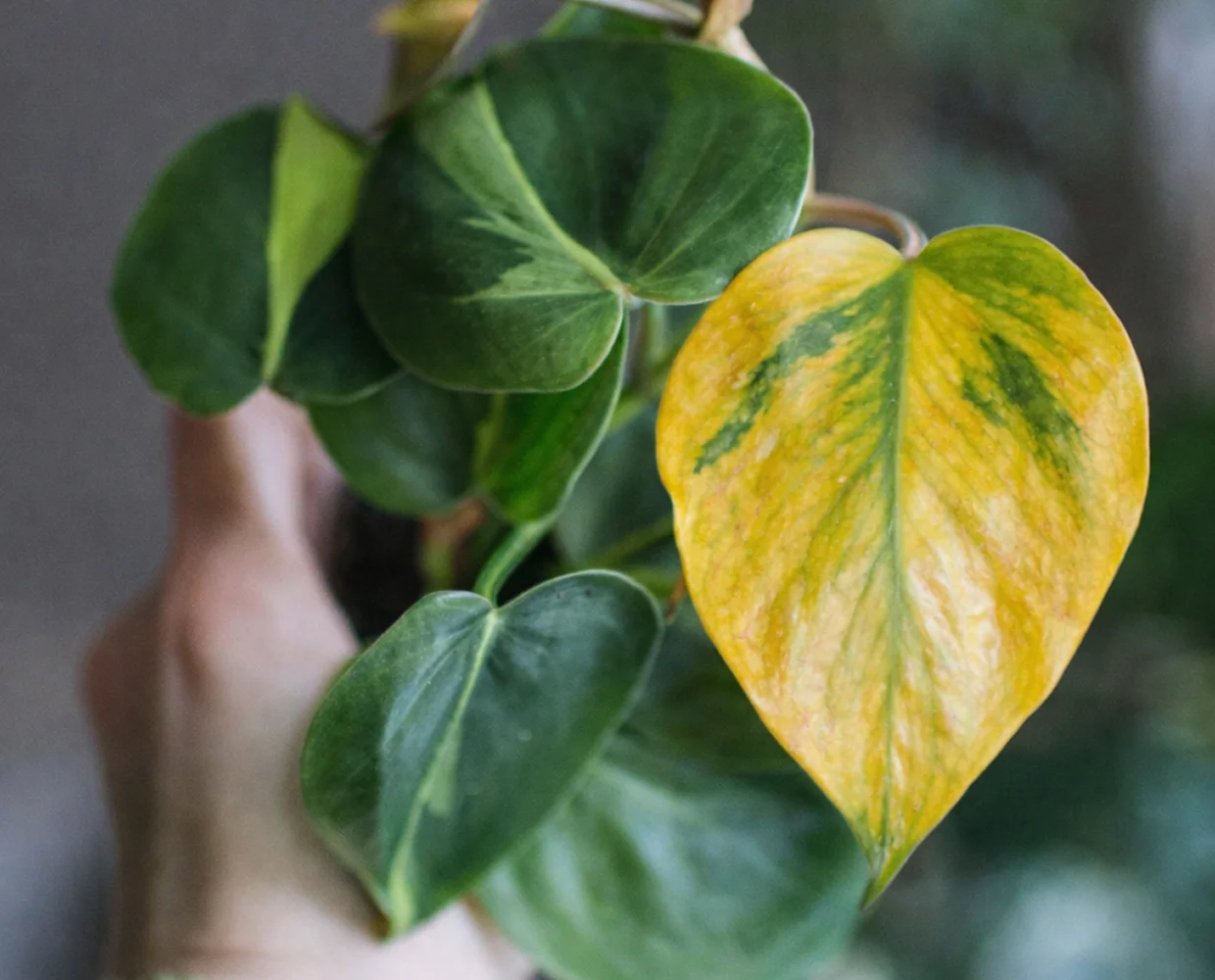
Yellow leaves on indoor plants usually indicate stress from watering, light, nutrients, or changes in the environment.
In most cases, it's a natural response from the plant to something in its routine, and almost always, if we identify the cause in time, the plant has the chance to fully recover.
Seeing a leaf turn yellow overnight can feel unsettling. The first thing we want to tell you is that this happens very often and it doesn't mean you have a "black thumb" with plants. It's happened to all of us who keep plants at home; many times it's just your plant's way of telling you it needs a small adjustment.
The most common causes (and how to identify them)
To figure out what's going on, we just need to observe a little more closely. These are the most frequent causes:
-
Watering issues
This is the number one reason. If the leaf is yellow and feels soft or mushy, it's usually overwatering. If the leaf feels dry and crispy to the touch, it's often because it hasn't gotten enough water.
-
Natural life cycle
If only the oldest leaves (the ones at the bottom) are turning yellow, you have nothing to worry about. In many cases, the plant lets go of the old to focus its energy on new growth.
-
Lack of light
In apartments or houses with small windows, plants can look paler and lose their intense green color. If the yellow leaves appear on the side that receives less light, it probably needs a spot with better lighting.
-
Air drafts or climate changes
In many regions, where the weather changes abruptly or air conditioning is used, plants can be affected by dry air. This is usually noticeable in the color of the leaves or at the tips.
-
Lack of nutrients in the soil
Over the months, the soil runs out of "food." If new leaves are born yellow or very pale, it may be a sign that it needs fertilizer.
What to do when a plant has yellow leaves
It's not about panicking or compensating with more water.
Let's go step by step:
-
Check the soil
Stick your finger about 2 or 3 centimeters into the pot. If it's still very moist, let it dry out before watering again.
-
Clean the leaves
Household dust can block light. Gently wipe them with a damp cloth.
-
Avoid moving it constantly
Plants like stability. If you decide to move it to a new spot, leave it there for at least a couple of weeks to see how it responds.
-
Adjust according to your climate
If you live in a dry or very hot place, a spray bottle can help add some ambient humidity, especially for tropical plants.
Frequently asked questions (FAQ)
Should I cut the yellow leaves?
Yes. A leaf that is completely yellow will not turn green again. Cutting it with clean scissors helps the plant focus its energy on growing.
Will using more fertilizer help it recover faster?
No. If the problem is watering or light, fertilizer can make the situation worse. It's better to stabilize the environment first.
Can tap water cause yellow leaves?
In some areas, tap water has a lot of minerals. This can show up as white spots on the pot or yellow or brown tips. Letting the water sit for a few hours before watering can help.
Is it normal for my plant to lose leaves in winter?
Yes, it's quite common. With less light and lower temperatures, many plants go dormant and shed some leaves to adapt.
Caring for plants is a constant learning process and each one has its own rhythm. If you want to better understand what your plant is telling you through its leaves, you can use tools like Helia, which help you observe, interpret, and accompany that process step by step.